
Wartburg 311 de Luxe Limousine restoration with a mixed vehicle history
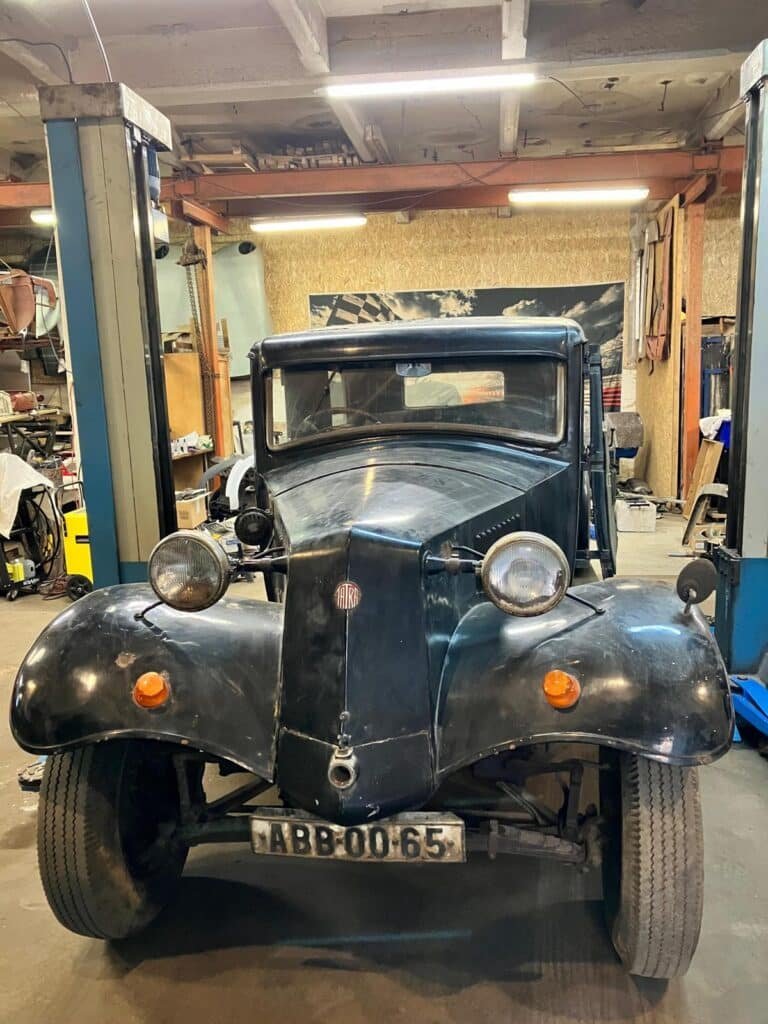
And yet another Wartburg 311 from Eisenach has arrived in our workshops. This time it's not a convertible, a folding roof, or a round-tail station wagon, but a Wartburg 311 de Luxe sedan with an unusual history. Originally, the car was a 1958 Wartburg, but at some point, it received a replacement body on its original chassis. After the fall of the Berlin Wall, the car ended up in the Netherlands, until it returned to Germany in the early 2020s.
The owner decided to build a 1962 Wartburg 311 de Luxe sedan from the car. From the outset, it was clear that this was not simply a matter of restoring it to its original delivery condition. The frame, body, interior, trim, and year-of-production details all had to be carefully identified and documented.
The overall condition was poor, as is often the case with long-standing East German classic cars. Many years of disuse and lack of maintenance had left their mark. Therefore, when restoring a Wartburg with a replacement body, the process doesn't begin with the paintwork or interior, but rather with identifying the vehicle's history, assessing its condition, and defining a clear vision for the restoration.


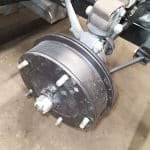
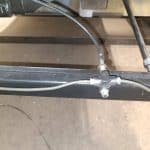

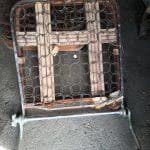

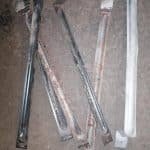

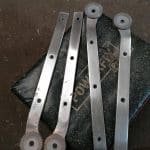
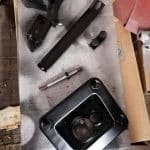
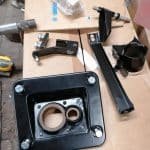
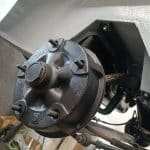

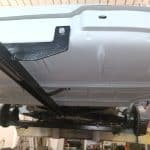
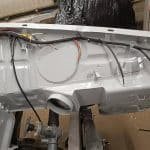




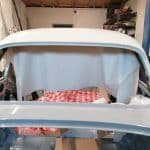
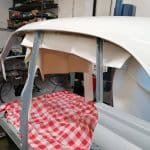


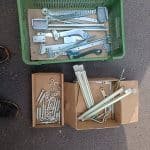


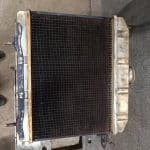


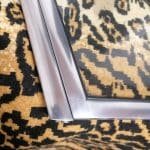


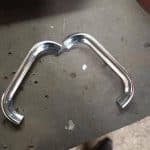
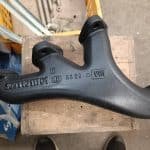

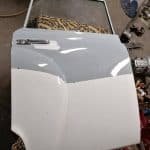


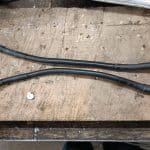
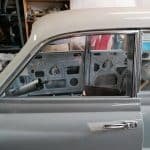


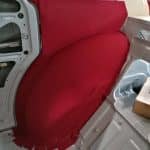


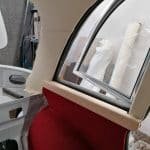

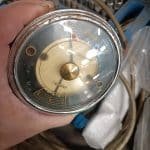
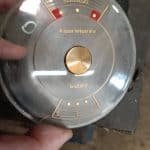


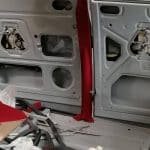


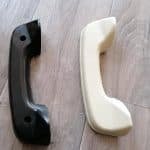






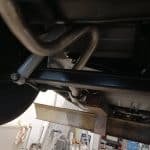

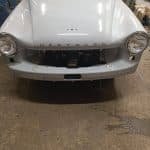


Wartburg 311 de Luxe with a 1958 frame and target year 1962
With this Wartburg, the car's history was almost as important as its technical condition. A 1958 frame, a later replacement body, its return from the Netherlands, and the desire for a 1962 de Luxe limousine combine to create a project with multiple identities.
In our workshops, we first determine which components are compatible and which modifications should be deliberately incorporated. With the Wartburg 311, it's not enough to simply work by chassis number or body style. What's crucial is the actual documentation on the vehicle and the desired outcome for the owner.
The de Luxe version isn't just about the name. Trim, interior, details, model year features, equipment, and visual differences must all match the planned restoration. Missing or incorrect Wartburg 311 spare parts can cost more time in such a project than a visible body repair.
Bodywork, rust removal and gearbox testing
The condition of the bodywork was a key issue. There was extensive rust in the trunk, on the parcel shelf, and at other joints. Especially with a Wartburg 311 sedan, the body, frame mounts, sills, floor areas, door seals, and the connection between the body and chassis must be thoroughly inspected.
Damaged areas are exposed, old repairs are assessed, and unstable sections are cut out. New sheet metal panels can then be fitted and welded in. This work is particularly important for a replacement body shell because the fit, doors, hoods, add-on parts, and subsequent paintwork will only be correct if the basic structure is sound.
A significant technical finding was the water-oil mixture in the gearbox. In a Wartburg that has been standing for a long time, this is a major maintenance issue. The gearbox housing, seals, bearings, shift mechanism, freewheel, and gear condition must all be inspected before the car can be driven reliably again. With such symptoms, a Wartburg gearbox overhaul can quickly become a crucial part of the technical restoration.
The two-stroke engine, clutch, drive shafts, brake system, steering, cooling system, and electrical system are also assembled to meet the project goals. Bodywork, rust removal, corrosion protection, frame mounting, gearbox testing, and parts allocation are all seamlessly integrated in this Wartburg 311 restoration.
Have a Wartburg 311 Limousine restored with a clear objective in mind.
This project clearly demonstrates why a Wartburg 311 restoration requires an honest assessment of its condition first. Especially with vehicles that have a replacement body, are from different production years, or have been stored for an extended period, this early assessment is crucial in determining whether a coherent car can be assembled from numerous individual parts.
The car shouldn't just look like any old Wartburg. It should be a proper 1962 Wartburg 311 de Luxe sedan, even though its history begins with the 1958 chassis. This very distinction makes the project different from our previous 311s: not an open-top, not an estate, not a folding roof, but a classic sedan with a mixed history.
If you're planning to restore a Wartburg 311, Wartburg 312, Wartburg 313, or another classic East German car, photos of the body, frame, trunk, sills, interior, mechanical components, and available parts will be helpful. In our workshops in the Czech Republic, we'll assess how bodywork, rust removal, mechanical restoration, painting, interior work, and parts availability can be combined into a viable project.