
IFA F9 partial restoration including bodywork, paintwork and interior
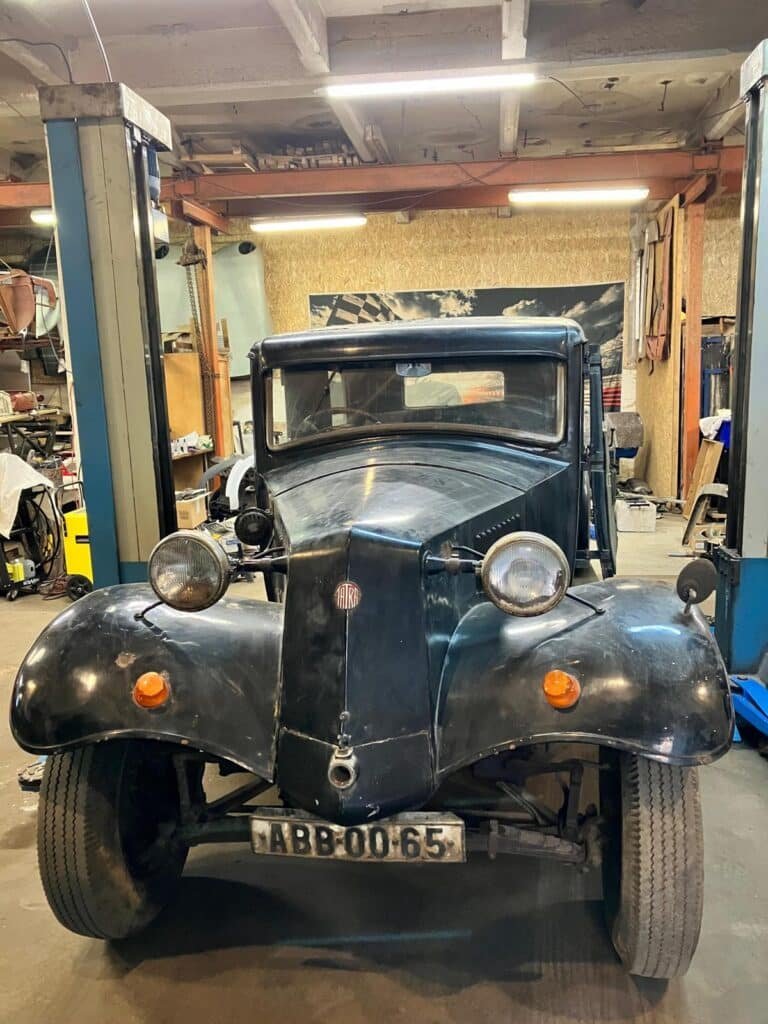
This IFA F9 arrived in our workshops in autumn 2024 after several previous attempts to repair the body. The vehicle will not be completely rebuilt. A targeted partial restoration with a clearly defined scope was commissioned: specific bodywork, a professional two-tone paint job, extensive upholstery work, and the refurbishment of individual chrome parts.
The goal with this East German classic is not to erase every trace of the past. The original patina should be preserved as long as it suits the vehicle and does not compromise its structural integrity. At the same time, the visible and structurally important areas must be refurbished so that the car is once again cleanly rebuilt, usable, and visually harmonious.



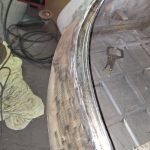
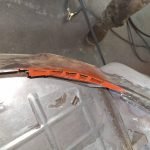
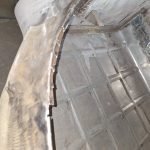
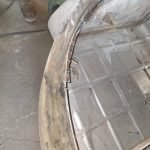
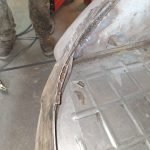
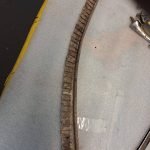


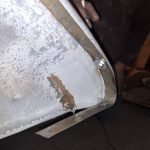
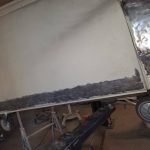
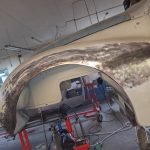


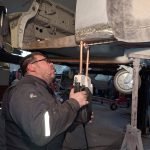
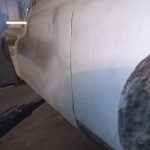
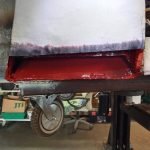
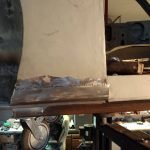

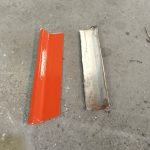
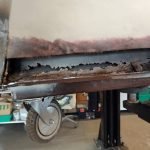
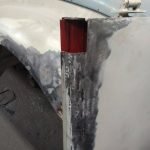
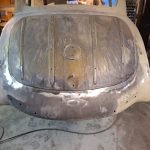
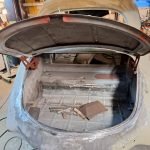
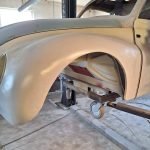
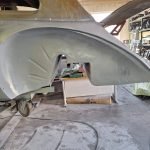
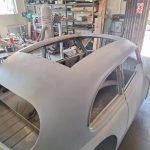
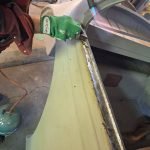
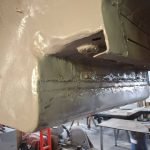
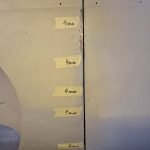
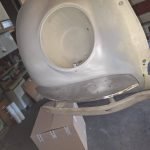
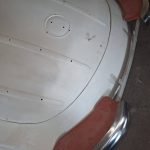
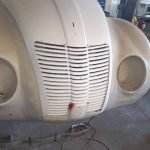
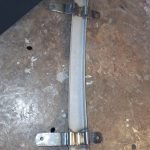
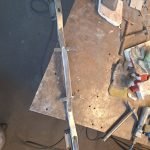
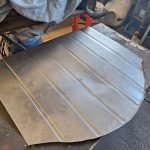
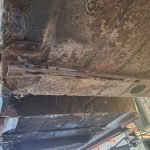
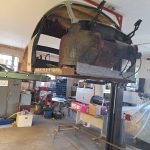

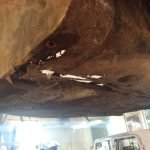
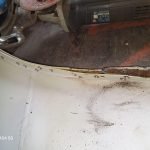
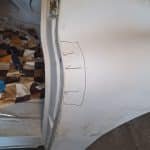
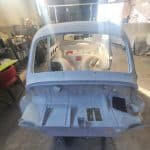
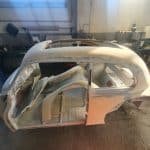
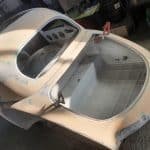
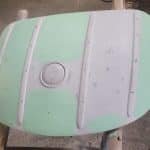
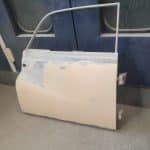
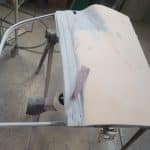
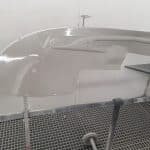
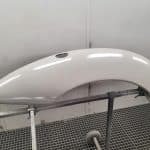
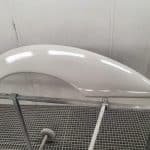
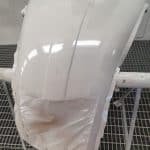
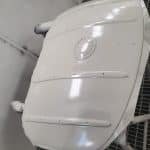
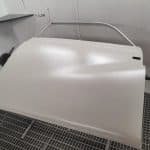
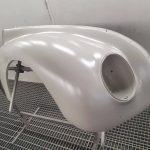

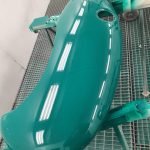


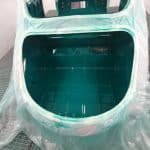


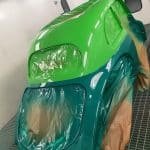
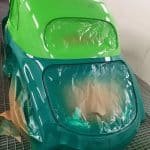
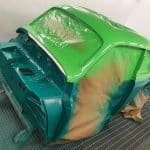
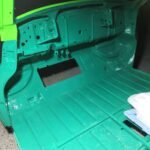
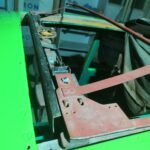
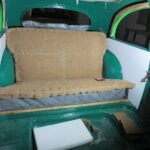
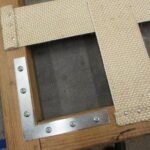
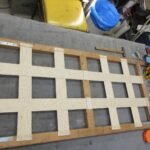

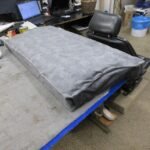
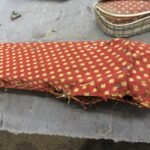
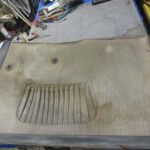

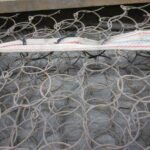

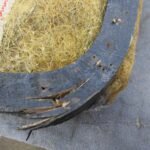
IFA F9: Partial restoration instead of complete rebuild
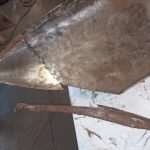
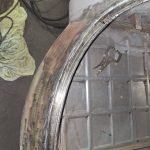
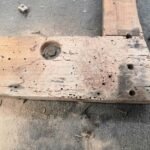
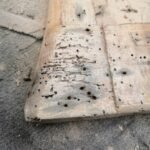
After several previous repair attempts, the first step with an IFA F9 is to determine what is structurally sound and what has only been superficially repaired. Especially with vehicles from the 1950s, one often finds old welds, thick layers of filler, painted-over corrosion, and repairs that were more a result of the material shortages of the time than a long-term restoration.
In our workshops, these areas aren't routinely removed. We assess which parts can be salvaged, which areas need to be opened, and where targeted sheet metal repair is sufficient. This approach is more suitable for this project than a complete disassembly down to the last component.
Check the floor panels, A-pillars and fenders on the F9
The IFA F9, or EMW 309, has an all-steel body on a box-section frame. For bodywork, the most important areas to focus on are the floor panels, sills, A-pillars, fenders, wheel wells, trunk floor, and door jambs. These areas are frequently affected by rust, previous repairs, or unclear transitions between original material and later replacements during restoration of older F9s.
Damaged areas are exposed, assessed, and replaced only where the existing material is no longer sound. Missing or severely damaged sheet metal sections are fabricated and fitted according to a sample. The goal is a meticulously crafted body repair that doesn't unnecessarily alter the vehicle's character.
Two-tone paintwork, upholstery work and chrome parts
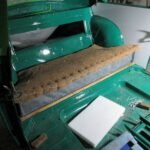
An important part of this IFA F9 partial restoration is the subsequent two-tone paint job. It shouldn't look like a modern show paint scheme, but rather match the vehicle's year of manufacture, shape, and historical appearance. For this to happen, the preparatory work must be perfect: edges, transitions, doors, and hoods are checked before the paint is applied.
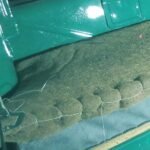
Simultaneously, the upholstery work is underway in the interior. Seats, trim, carpets, and other interior components must complement the overall look without making the car appear artificially new. Individual chrome parts are also being refurbished, provided the original parts can be preserved. With an early East German classic car, preservation is often more sensible than a complete replacement.
Two-stroke technology only after diagnosis
The IFA F9 is technically based on the DKW F9 design and uses a water-cooled, three-cylinder, two-stroke engine with front-wheel drive. While the technical aspects are not the primary focus of this project, they will be examined as part of the partial restoration. The engine, transmission, cooling system, fuel supply, braking system, steering, and electrical system must all be suitable for the intended use.
A comprehensive technical restoration is only planned if the condition of individual components necessitates it. With this vehicle, the focus is clearly on the bodywork, paint, interior, and preservation work. This clear distinction is crucial to prevent a partial restoration from uncontrollably becoming a full restoration.
What is important before an IFA F9 restoration
An IFA F9, EMW 309, DKW F9, or any other early East German classic car must be thoroughly inspected before any work begins. Crucial factors include the condition of the body, any previous repairs, the floor area, A-pillars, wheel wells, trunk floor, interior fittings, chrome parts, and the question of how much original condition should be preserved.
If you're planning to restore an IFA F9 or a similar vehicle, photos of the body, undercarriage, interior, doors, fenders, engine compartment, chrome parts, and any available components will be helpful. At our workshops in the Czech Republic, we'll assess whether bodywork, rust removal, painting, upholstery, mechanical restoration, or a targeted partial restoration is worthwhile.