
When helping neighbors becomes expensive
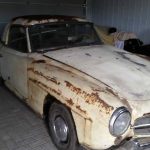
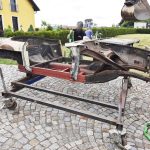
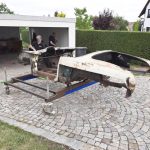
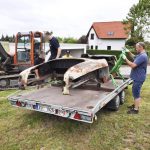
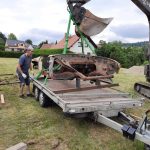
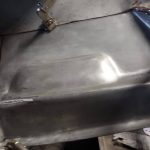
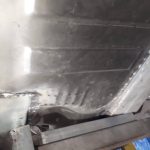
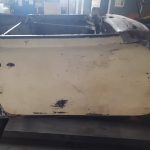
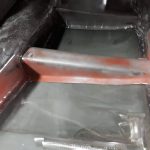
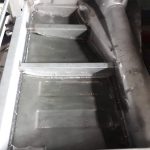
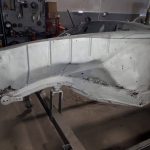
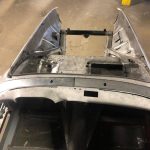
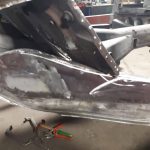
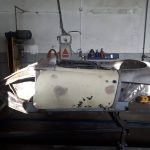
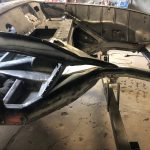
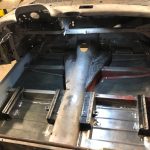
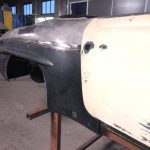
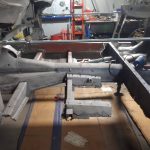
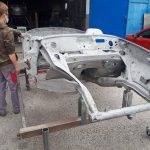
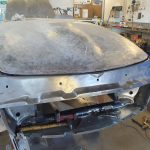
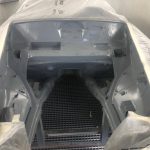
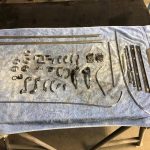
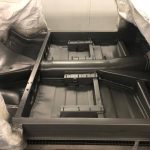
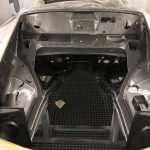
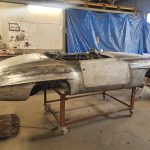
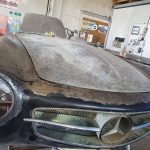
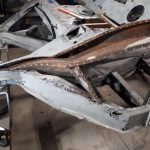
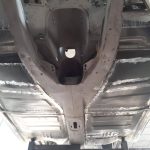
A sad example of how "neighborly help" can end. The owner, from the greater Dresden area, entrusted his 1960 Mercedes-Benz 190 SL to a neighbor for restoration. After several years, the body consisted of little more than a bare frame on the chassis. The neighbor had lost interest or perhaps no longer knew how to complete the project.
With a Mercedes 190 SL, this is no small problem. This car doesn't forgive haphazard disassembly or bodywork without fixed reference points. Doors, hoods, sills, floor structure, front end, rear section, convertible top mounting, and panel gaps are all intricately interconnected. If a vehicle is abandoned in this state, the actual restoration often doesn't start from scratch, but from a loss.
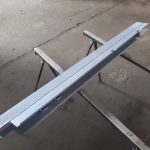
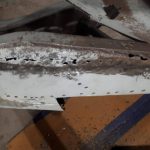

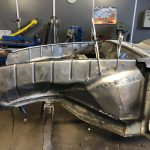
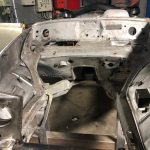

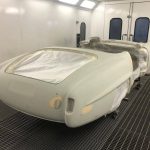
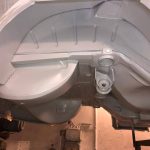
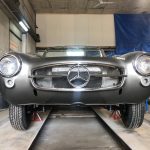
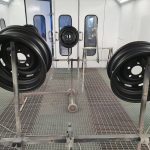
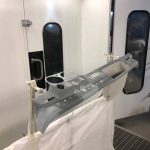
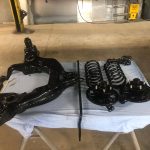
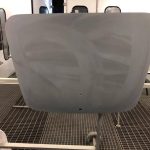
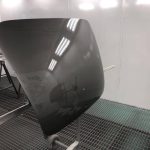
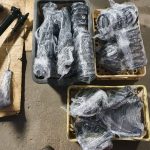
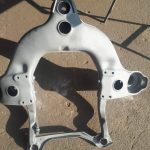
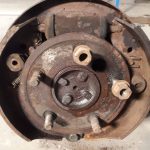
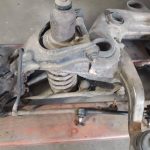
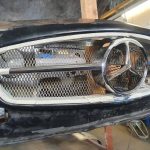
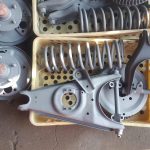
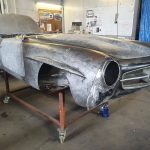
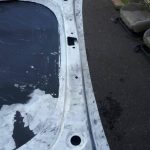
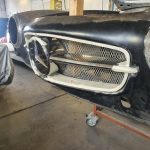
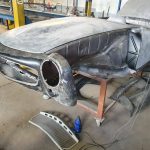
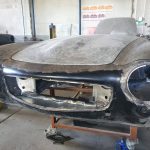
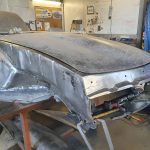
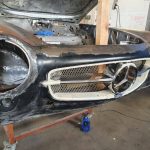
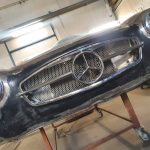
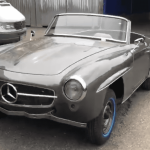
Mercedes 190 SL W121 B II from 1960
The Mercedes-Benz 190 SL belongs to the W 121 B II series and was built from 1955 to 1963. It features the 1.9-liter four-cylinder M121 engine and is not technically a smaller 300 SL, but rather a distinct roadster with its own unique character. This particular model had only a soft top, not a hardtop.
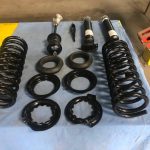
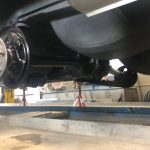
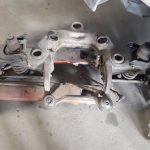
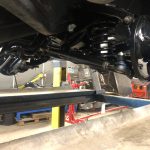
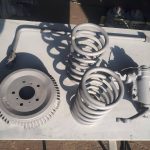
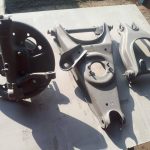
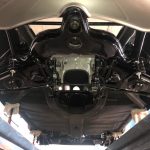
However, the technical aspects of this project were not part of our contract. The engine, transmission, and interior were to be installed later by the owner or outside our scope of work. Our task was the bodywork, paint, chassis, chrome, and the construction of a rolling chassis.
Only remnants remain on the frame
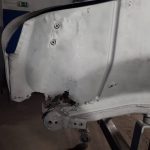
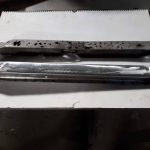
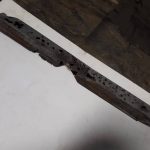
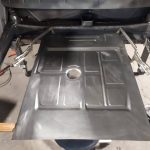
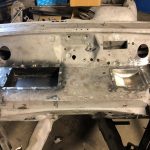
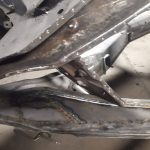
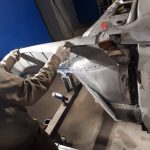
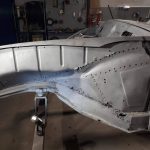
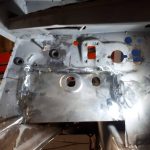
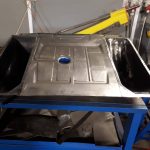
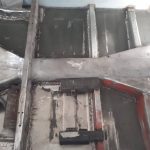
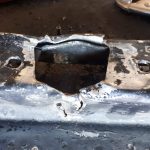
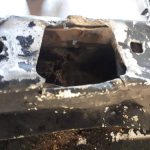
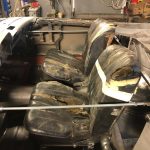
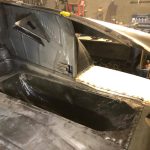
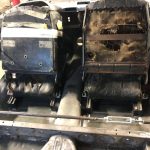
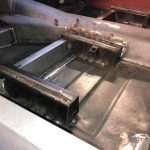
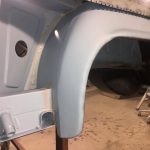
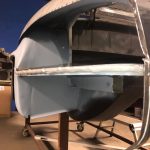
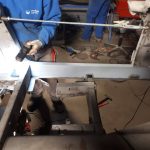
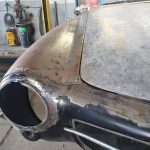
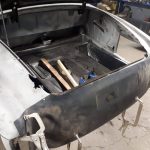
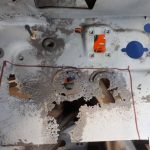
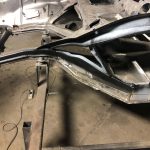
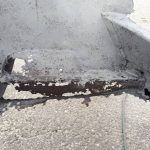
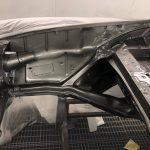
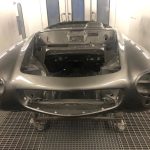
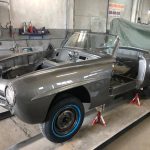
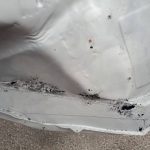
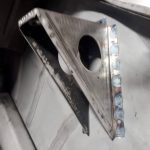
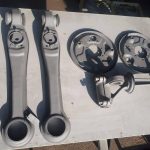
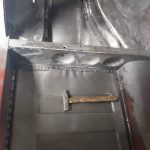
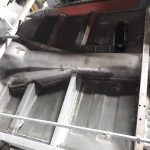
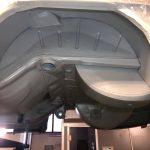
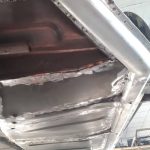
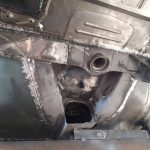
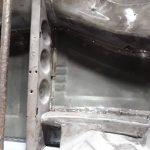
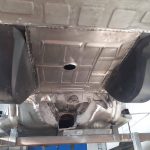
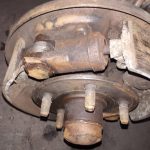
The car was in terrible condition upon acquisition. It was no longer a sound basis for restoration. Only the basic skeleton of the body remained on the frame. Many crucial reference points had to be restored, inspected, or rebuilt. This is precisely where skilled bodywork differs from well-intentioned but mere tinkering.
When restoring a Mercedes 190 SL, the sills, floor, wheel arches, front, rear, doors, convertible top area, and all connection points are crucial. If work on these areas is done haphazardly, the body will lose its shape. Later, the doors, hood, bumpers, chrome parts, and convertible top will no longer fit together.
800 working hours until the rolling body shell
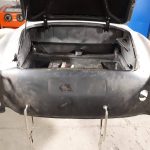
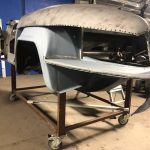
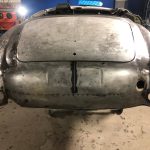
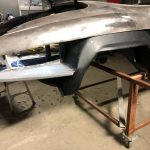
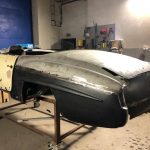
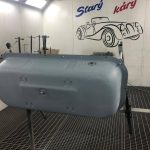
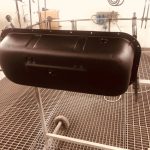
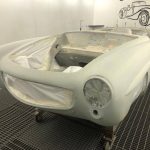
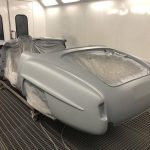
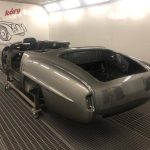
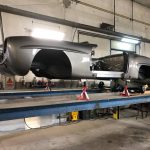
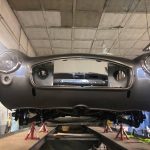
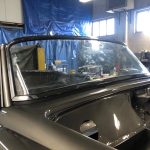
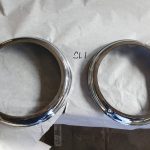
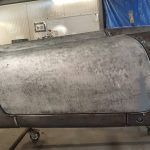
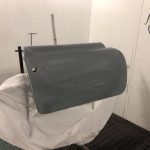
Approximately 800 working hours later, the car was back on its wheels. Work was carried out on the body, paint, chassis, and chrome. The body was rebuilt, fitted, painted, and handed over as a rolling test vehicle. The car was restored to its original color: DB 180 Silver Grey Metallic.
This color suits the 190 SL well, but demands very clean surfaces. Metallic paint on a classic roadster immediately reveals uneven transitions, poor edges, and imprecise preparation. Therefore, before painting, the body shape, panel gaps, add-on parts, and chrome fit had to be finalized. In a project like this, paint isn't the starting point, but rather the final visible layer on a great deal of preparatory work.
Not a project for amateurs
This Mercedes 190 SL clearly demonstrates why a restoration shouldn't simply be handed over to someone who "sort of knows how to do it." A 190 SL is expensive, sought after, and technically relatively straightforward, but its bodywork is demanding. Those who start without experience often end up dismantling more than they can later rebuild.
The costs then arise twice: first through lost years, then through correcting or rebuilding what was left unfinished. With this particular car, it was at least possible to restore the existing structure to a usable form. But the effort was considerable.
Handover for further assembly
The project was completed at our facility as a rolling, painted body shell. The engine, transmission, and interior were not part of the contract and were handed over to the owner for further assembly. Hopefully not to the same neighbor again.
This 190 SL isn't a romantic tale of a cozy garage restoration. It's a warning. Anyone considering having a Mercedes 190 SL restored should first verify who is truly capable of the work, what references they have, and whether the workshop understands the intricacies of body structure, panel gaps, convertible top fit, and chrome trim. Good neighbors are no substitute for expertise.